Amazon Photography Service: The Complete Guide to High-Converting Product Images
1. Introduction: Why Amazon Photography Directly Impacts Sales
Selling on Amazon is more competitive than ever. With thousands of sellers offering similar products, buyers often make split-second decisions based purely on visuals. Before reading a title or checking reviews, the first thing customers notice is the product image.
In fact, your images act as your digital storefront. They determine whether a shopper clicks your listing or scrolls past it. Within just a few seconds, your visuals must grab attention, communicate value, and build trust.
This is why investing in a professional Amazon photography service is no longer optional, it’s essential. High-quality images don’t just improve aesthetics; they directly impact click-through rates, conversion rates, and overall sales performance.
In this guide, you’ll learn what Amazon photography services include, how they work, pricing structures, and how sellers can scale their visual production efficiently.
2. What Is an Amazon Photography Service?
An Amazon photography service specializes in creating product images specifically designed for Amazon’s marketplace. Unlike general photography, these services focus on compliance with Amazon’s strict guidelines while optimizing images for conversions.
These services typically include:
Product photography on white backgrounds
Lifestyle and in-use images
Infographic design highlighting features
Image retouching and enhancement
Listing visuals optimized for Amazon
A+ content images for brand storytelling
The goal is not just to create attractive images, but to produce visuals that perform well within Amazon’s algorithm and buyer behavior patterns.
3. Why Amazon Sellers Need Professional Product Photography
Many sellers underestimate how much product photography influences buying decisions. Poor-quality images can instantly reduce trust, even if the product itself is excellent.
Increase Click-Through Rate (CTR)
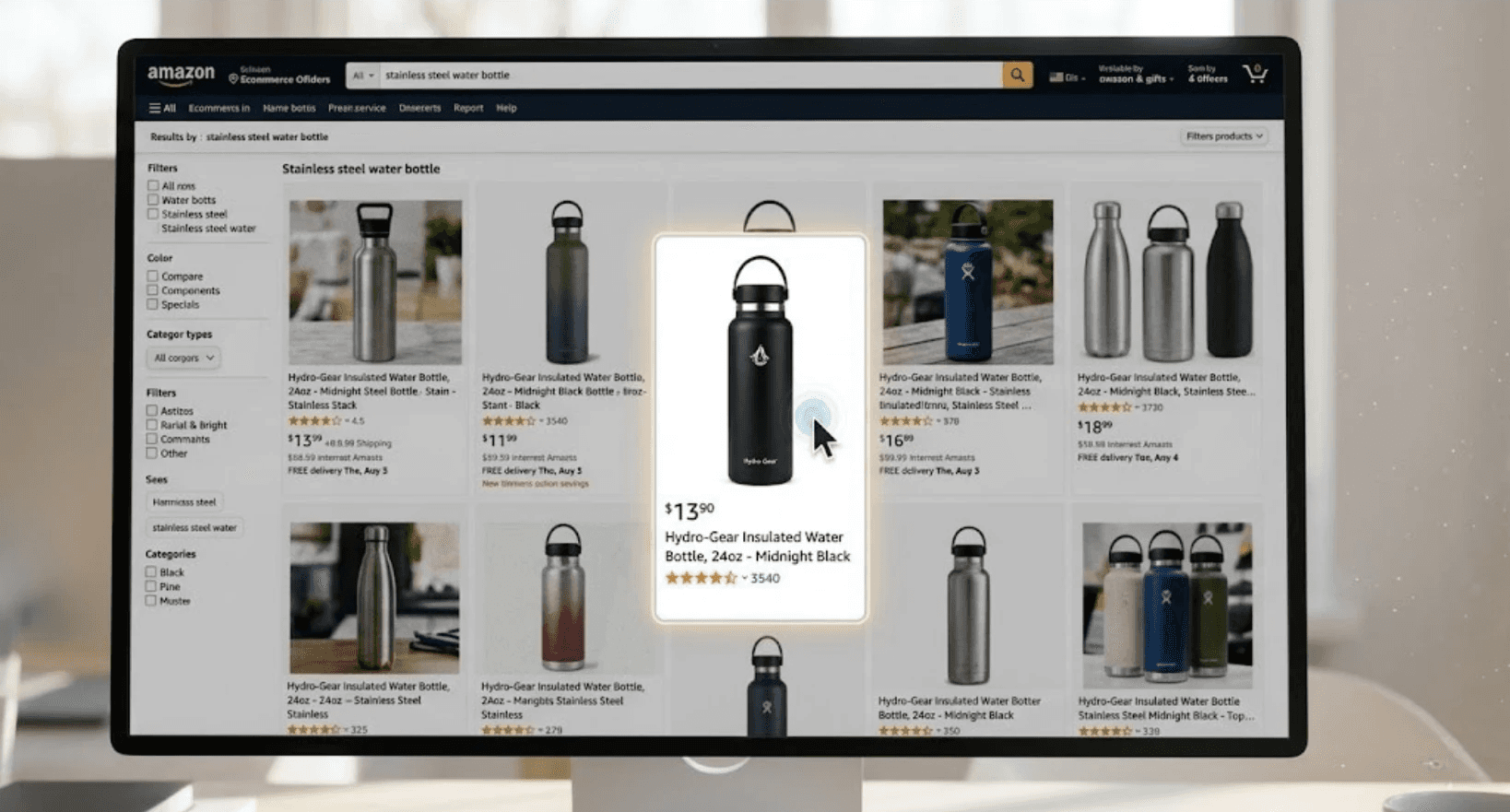
Your main image is the first thing buyers see in search results. A clean, high-quality image can dramatically improve your CTR, bringing more traffic to your listing.
Improve Conversion Rate
Once a buyer lands on your product page, images play a key role in convincing them to purchase. Clear visuals reduce uncertainty and answer common questions.
Build Brand Credibility
Consistent, professional images make your brand appear reliable and established. This is especially important for new or lesser-known sellers.
Reduce Returns
When images accurately represent the product, customers know exactly what to expect. This reduces misunderstandings and lowers return rates.

4. Amazon Image Requirements (What You Must Follow)
Amazon enforces strict image guidelines to ensure consistency across the platform. Ignoring these rules can lead to suppressed listings or reduced visibility.
Key requirements include:
Pure white background (RGB 255,255,255) for the main image
Minimum resolution of 1000px (to enable zoom functionality)
Product must fill at least 85% of the frame
No logos, text, or watermarks on the main image
High-resolution, sharp visuals
These guidelines ensure a uniform shopping experience, but they also require sellers to maintain high-quality production standards.
5. Types of Images Every Amazon Listing Needs
A high-performing Amazon listing uses multiple image types to tell a complete product story.
Main Product Image
This is your most important image. It should be clean, well-lit, and focused entirely on the product against a white background.
Lifestyle Images
These images show the product in real-life situations, helping buyers visualize how it will be used.
Infographic Images
Infographics highlight key features, benefits, and dimensions using text and icons.
Close-Up Detail Shots
These images showcase materials, textures, and craftsmanship, building confidence in product quality.
Comparison Images
Comparison visuals help buyers understand how your product stands out from competitors.
Together, these images guide the buyer through the decision-making process.
6. What’s Included in Amazon Photography Services
Most Amazon photography services offer a comprehensive workflow that includes both shooting and post-production.
Typical services include:
Studio or lifestyle product photography
Professional lighting setup
Styling and composition planning
Image retouching and color correction
Infographic creation
Image resizing and formatting for Amazon
Some providers also offer A+ content visuals, which help enhance brand storytelling on product pages.
7. Amazon Photography Pricing Breakdown
The cost of Amazon photography varies widely depending on the type of images and complexity of the shoot.
Typical Pricing
Basic product images: $20 to $100 per image
Lifestyle photography: $100 to $500 per image
Infographic design: $10 to $50 per image
Full listing packages: $200 to $1000+
Factors That Affect Pricing
Product size and complexity
Number of images required
Use of props or models
Editing and retouching needs
Turnaround time
For sellers with large product catalogs, these costs can add up quickly.

8. Common Challenges Sellers Face
While professional photography delivers high-quality results, it also introduces several challenges.
High Production Costs
Professional shoots, especially lifestyle or model-based, can be expensive.
Long Turnaround Times
Coordinating shoots, editing, and revisions can take weeks.
Logistics and Coordination
Shipping products, managing props, and organizing teams adds complexity.
Scaling Issues
Producing images for multiple SKUs or product variations becomes difficult.
Maintaining Consistency
Working with different photographers can lead to inconsistent visual styles.
These challenges often push sellers to look for more scalable solutions.
9. Scaling Amazon Product Photography Efficiently
To stay competitive, modern Amazon sellers need faster and more flexible workflows.
Batch Image Production
Shooting multiple products in one session reduces costs and ensures consistency.
Template-Based Infographics
Using repeatable design templates speeds up content creation.
AI-Assisted Editing
Automation tools can handle background removal, color correction, and resizing.
Digital Product Visualization
Some sellers use digital rendering to create product images without physical shoots.
These methods allow sellers to scale their visual content without sacrificing quality.
10. The Shift Toward On-Model and Lifestyle Visuals
Listings that include lifestyle or model images often perform better because they create an emotional connection with buyers.
These images help:
Demonstrate real-world usage
Show product scale and fit
Increase perceived value
However, traditional lifestyle shoots come with challenges:
Hiring models
Booking studios or locations
Coordinating photographers and stylists
Managing production logistics
This makes lifestyle photography one of the most expensive aspects of Amazon content creation.
11. Tool Spotlight: Scalable Amazon Visual Production
To overcome the limitations of traditional photography, many sellers are turning to modern, AI-powered tools that simplify visual production.
Platforms like Look Atlas allow sellers to transform simple product images into realistic lifestyle or on-model visuals, without organizing full photoshoots. These tools preserve important product details such as textures, logos, and colors while generating high-quality images suitable for:
Amazon product listings
Advertising campaigns
Social media content
Product catalogs
This approach enables sellers to:
Create multiple image variations quickly
Reduce production costs
Scale visuals across large product catalogs
Test different image styles for better performance
Instead of repeating time-consuming shoots for every variation, sellers can now produce consistent, high-converting visuals at scale. With AI tools like Look Atlas, turning basic product images into compelling Amazon-ready creatives becomes a much more efficient and flexible process.
For brands managing large catalogs, this kind of workflow can completely change how quickly and effectively new products go live.

12. How to Choose the Right Amazon Photography Service
Choosing the right photography provider can significantly impact your listing performance.
Key Factors to Consider
Portfolio quality and style
Experience with Amazon-specific requirements
Understanding of conversion-focused visuals
Turnaround time and reliability
Transparent pricing structure
The best providers don’t just create beautiful images, they design visuals that drive clicks and conversions.
13. Common Amazon Photography Mistakes
Even experienced sellers make mistakes that hurt their listings.
Overcrowded Images
Too many elements can confuse buyers and reduce clarity.
Poor Lighting
Dark or uneven lighting reduces perceived product quality.
Inconsistent Branding
Different styles across images can make your listing look unprofessional.
Misleading Visuals
Over-editing or unrealistic representations can lead to negative reviews.
Low-Resolution Images
Blurry images reduce trust and prevent zoom functionality.
Avoiding these mistakes is critical for maintaining high-performing listings.
14. Future Trends in Amazon Product Imagery
Amazon product imagery is evolving rapidly, driven by new technologies and changing buyer expectations.
AI-Generated Lifestyle Images
AI tools are making it easier to create realistic lifestyle visuals without full photoshoots.
Automated Image Optimization
Software can now automatically adjust images for lighting, color, and composition.
Faster Production Cycles
Brands are moving toward rapid content creation to keep up with product launches.
Data-Driven Visual Testing
Sellers are increasingly testing different image variations to see what converts best.
Adapting to these trends can give sellers a significant competitive advantage.
15. Final Thoughts
Amazon photography services play a critical role in helping sellers stand out in a crowded marketplace. High-quality visuals not only improve the appearance of your listing but also directly impact click-through rates, conversions, and customer trust.
However, as competition increases and product catalogs grow, relying solely on traditional photography methods can become expensive and slow.
That’s why many sellers are now combining professional photography with scalable visual tools and modern workflows. This hybrid approach allows them to produce high-quality images faster, reduce costs, and maintain consistency across their listings.
By investing in the right photography strategy and leveraging modern tools, sellers can create compelling, high-converting Amazon listings that drive long-term growth.
