
Ecommerce Photography Near Me: How to Find the Right Solution for High-Converting Product Images
1. Introduction: Why “Ecommerce Photography Near Me” Is a Common Search
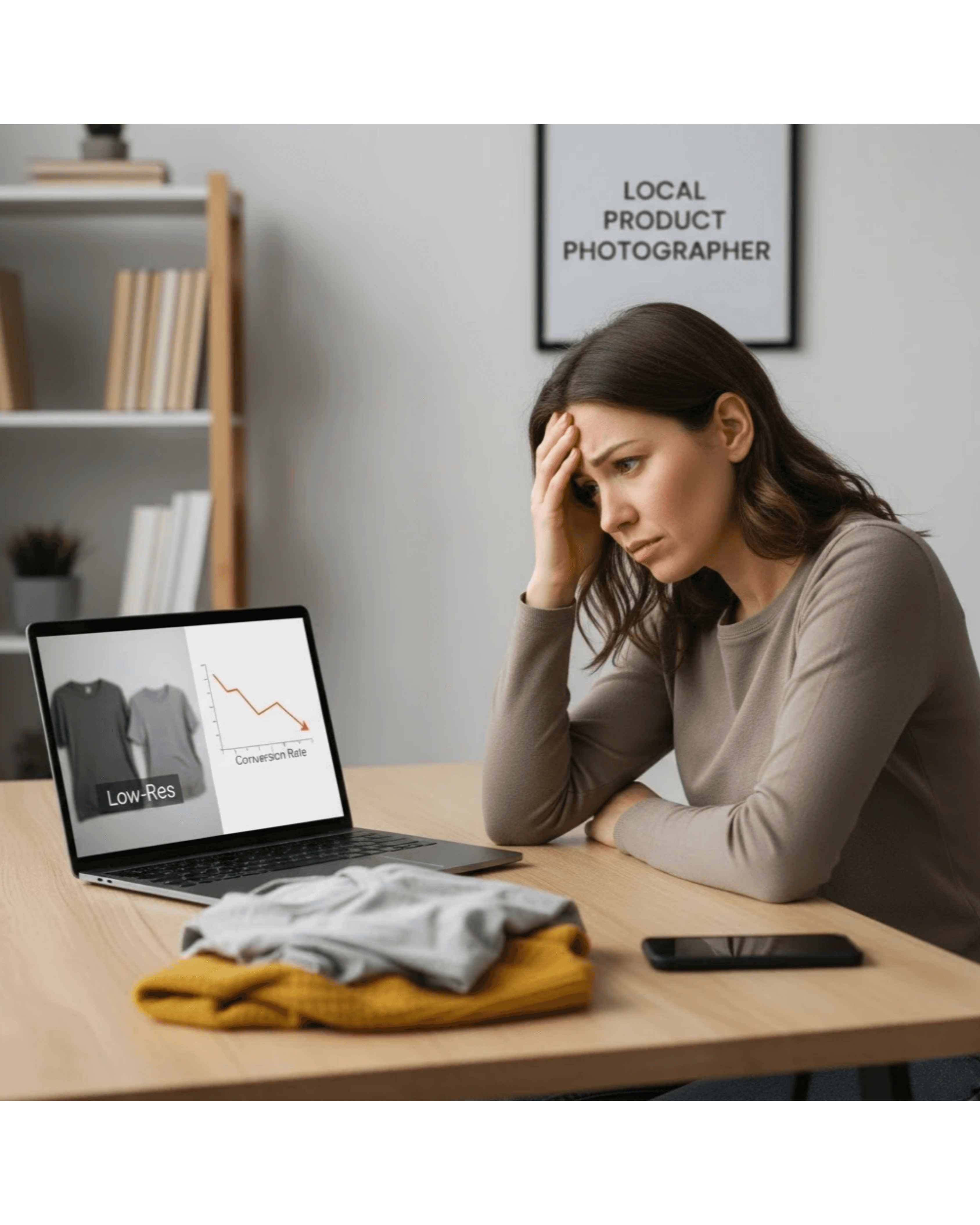
When ecommerce sellers notice low engagement or weak conversions, product photos are often the first thing they question. That’s why searches like “ecommerce photography near me” are so common, local photographers feel like the fastest, safest fix for blurry images, inconsistent lighting, or listings that don’t inspire confidence.
For many sellers, the pain point isn’t the product itself, but how it’s being presented online. Poor visuals make items look low-quality, hard to understand, or untrustworthy, which directly impacts clicks and sales.
However, as ecommerce becomes more competitive and fast-moving, “near me” doesn’t always equal the best solution anymore. Modern sellers are starting to look beyond location and focus instead on speed, consistency, scalability, and results, the things that actually move conversions.

2. What Ecommerce Photography Really Means Today
Ecommerce photography isn’t just snapping a picture of a product, it’s a key driver of online sales. Its purpose is to show items clearly, accurately, and appealingly, helping shoppers understand fit, texture, color, and overall quality without touching the product.
Expectations have changed dramatically in recent years. Buyers now expect on-model shots, lifestyle visuals, and multiple angles that showcase the product in real-life contexts. Consistency across platforms, whether Etsy, Shopify, Amazon, or social media, is also critical, as shoppers judge your brand based on the professionalism and cohesiveness of your images.
Today, ecommerce photography is more than decoration; it’s a strategic tool for building trust, increasing conversions, and differentiating your brand in crowded marketplaces.

3. Why Product Photography Directly Impacts Ecommerce Sales
For online shoppers, images replace the in-store experience, buyers can’t touch, try on, or feel your products, so photos become the primary way to assess quality, fit, and style. High-quality product photography builds buyer trust by showing items clearly and accurately, reducing hesitation and uncertainty.
Good visuals also directly influence conversion rates. Shoppers are more likely to click “Add to Cart” when they can visualize the product in real life, see details, and understand scale. At the same time, clear, accurate images reduce returns and complaints, since customers know exactly what to expect.
Such as Look Atlas, allow sellers to turn simple product photos into realistic on-model images, combining the clarity of professional photography with faster, more cost-effective production. This ensures listings remain engaging, trustworthy, and optimized for sales.
In short, professional ecommerce photography doesn’t just make products look good, it drives sales, reduces friction, and strengthens customer confidence, making it a critical part of any online business.
4. What Sellers Expect When They Search “Ecommerce Photography Near Me”
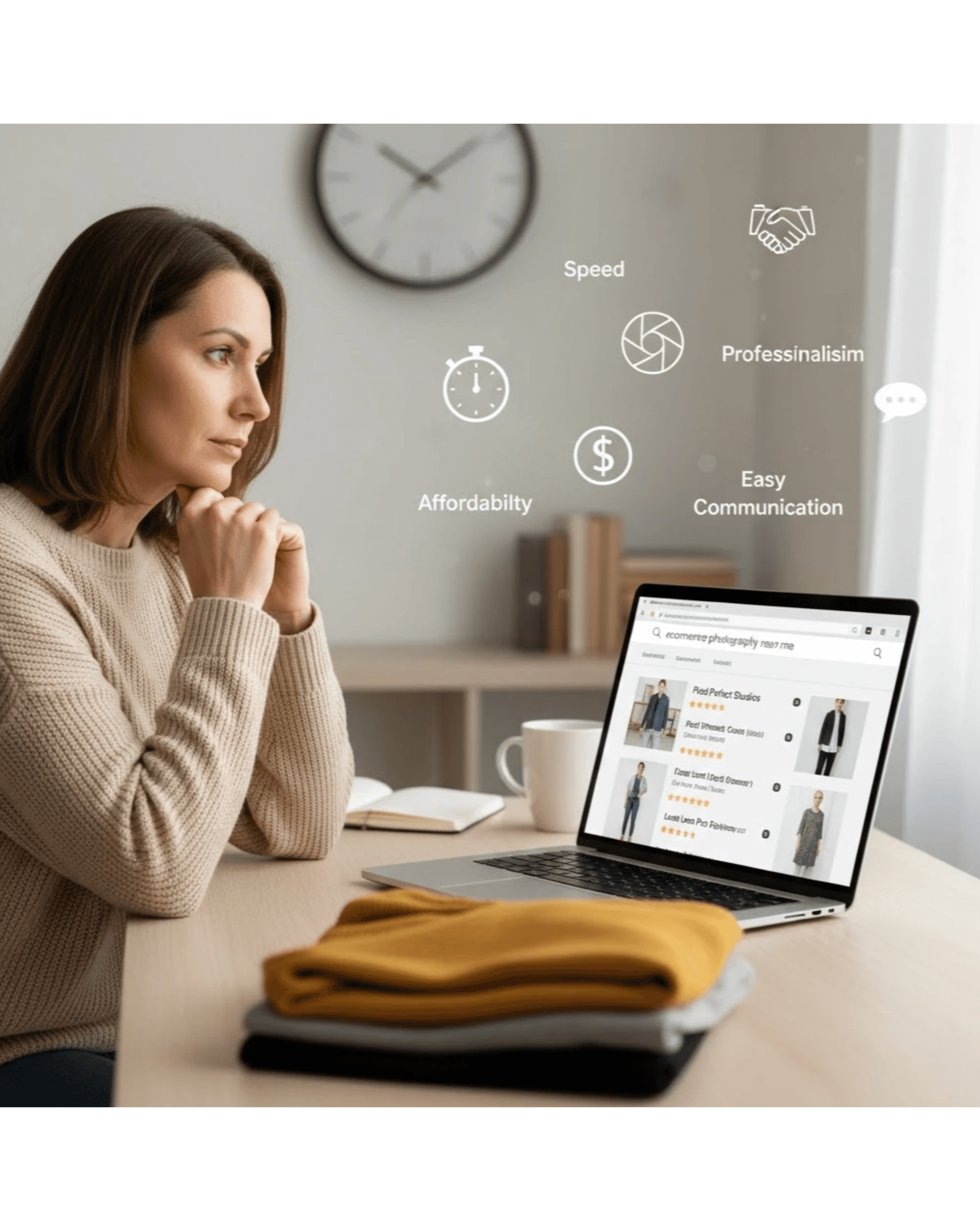
When sellers type “ecommerce photography near me”, they’re usually looking for more than just a camera and a tripod. Their expectations often include:
Speed: Quick turnaround so listings can go live without delays.
Affordability: Services that fit within tight ecommerce budgets, especially for small businesses or startups.
Professionalism: High-quality images that reflect the brand’s standards and appeal to discerning online shoppers.
Reliability: Consistent results across multiple products, shoots, or campaigns.
Ease of communication: Straightforward coordination, clear instructions, and responsive service.
Understanding these expectations helps explain why local searches are so common, but it also highlights that proximity doesn’t always guarantee the best results, especially for sellers who need scalable, repeatable solutions.

5. Types of Ecommerce Photography Services Available Locally
When searching for “ecommerce photography near me,” sellers typically encounter a few main service types. Each serves different purposes and caters to different seller needs.
5.1 Studio Product Photography
Studio photography uses controlled lighting, clean backgrounds, and professional equipment to create crisp, distraction-free images. It’s ideal for catalog-style shots, small products, and marketplaces like Amazon or Etsy, where clarity and detail are critical. Small businesses and brands with simpler product lines often rely on this style for consistent, professional visuals.
5.2 Lifestyle & Commercial Photography
Lifestyle photography places products in real-life contexts, adding story, emotion, and aspirational appeal. This works best for social media, advertising campaigns, or Shopify stores, where connecting with the buyer’s lifestyle drives engagement and conversion. Brands with a focus on brand image and storytelling often invest in this approach.
5.3 On-Model Apparel Photography
On-model photography shows clothing worn by a person, helping shoppers visualize fit, drape, and proportion. It’s especially important for fashion and apparel sellers on platforms like Etsy, Shopify, or direct-to-consumer stores. Sellers launching new collections, seasonal clothing, or multiple variants benefit most from on-model shots, as these images reduce returns and boost confidence.
Each service type serves a unique role, and many sellers combine approaches to create a complete, conversion-focused visual strategy.

6. The Real Cost of Hiring Local Ecommerce Photographers
Hiring a local ecommerce photographer often comes with more than just the listed price. On the surface, costs include studio rental, photographer fees, and models, but hidden expenses can quickly add up. Revisions, reshoots, and additional props or styling fees add unexpected charges, while coordinating schedules and logistics consumes valuable time.
For growing ecommerce brands, scaling becomes even more challenging. Each new product, color variant, or seasonal launch may require additional shoots, making local services slow and expensive. Even with professional images, inconsistencies between shoots, lighting, composition, or model styling, can impact brand cohesion and customer perception.
Ultimately, the real cost isn’t just money, it’s time, effort, and scalability limitations, which is why many sellers are exploring modern alternatives that maintain quality while reducing complexity.

7. Why Local Photography Becomes Hard to Scale for Ecommerce Brands
For growing ecommerce brands, whether DTC, Shopify, or Etsy, relying solely on local photographers quickly reveals major scalability issues. Frequent product launches, seasonal collections, and expanding inventories mean new images are constantly needed.
Coordinating multiple photoshoots for different colors, sizes, or styles becomes time-consuming and expensive. Each session requires scheduling models, studios, and photographers, which can delay listings and marketing campaigns. Maintaining consistent lighting, styling, and composition across shoots is also difficult, often leading to a fragmented brand look.
As catalogs grow, the limitations of local photography become clear: it’s slow, costly, and hard to standardize. Many brands are now turning to AI-assisted solutions like Look Atlas, which can transform simple product photos into realistic on-model images. This allows for consistent, scalable, and professional visuals without the logistical headaches of traditional shoots.
By combining speed, consistency, and quality, AI tools make it easier for ecommerce brands to keep up with market demands while maintaining a conversion-focused presence.
8. Apparel & Fashion: The Toughest Category for Local Photography
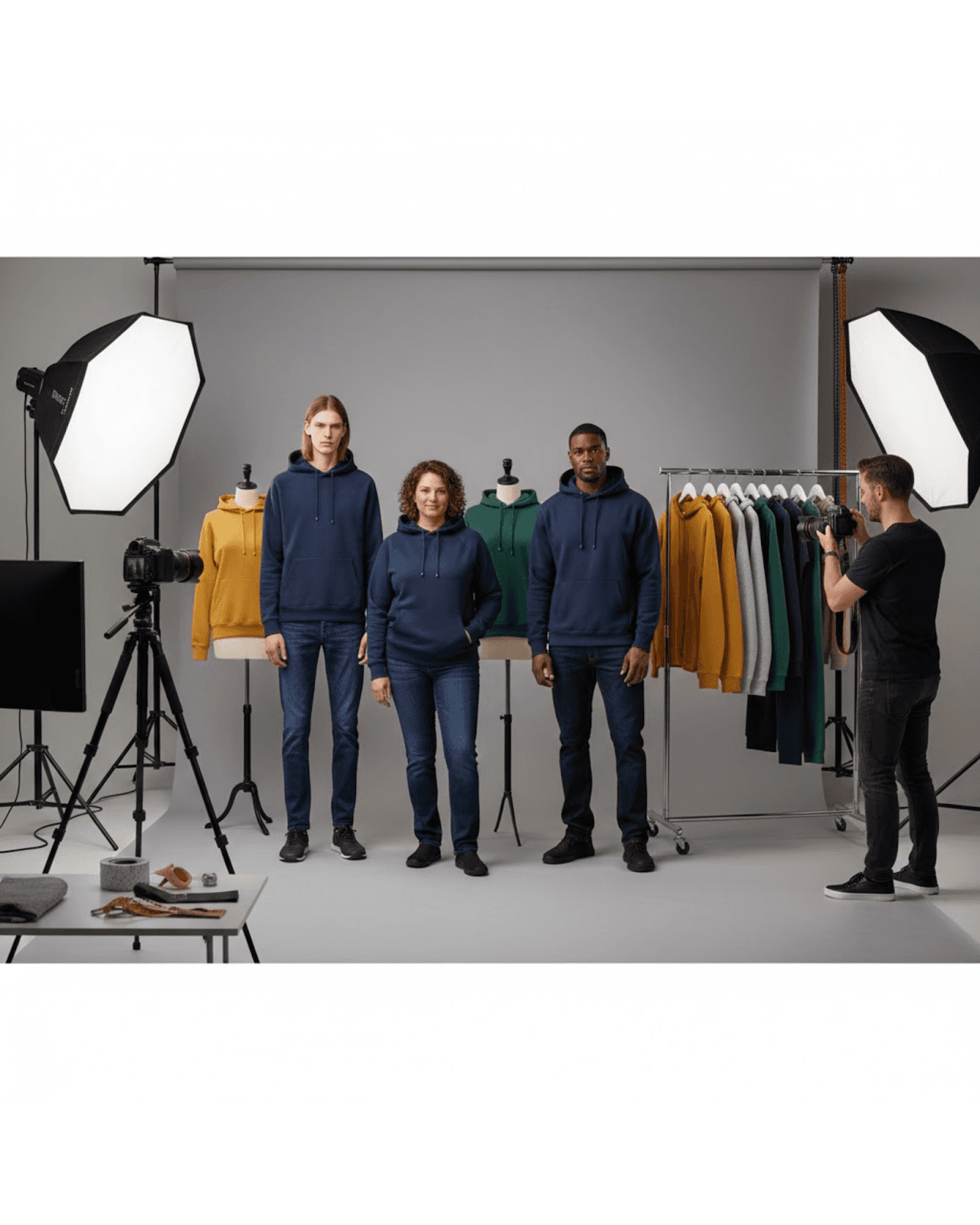
Clothing and fashion are among the most challenging products to photograph locally. Buyers rely heavily on images to understand fit, fabric, and drape, and they expect to see products on real models to visualize how items look in real life.
Traditional local shoots often struggle to address body diversity, most models fit a narrow size range, leaving shoppers uncertain about how products will fit them. Additionally, maintaining consistent lighting, styling, and composition across multiple garments or collections is difficult, leading to a fragmented brand presentation.
These challenges make apparel photography time-intensive, expensive, and difficult to scale, which is why many fashion brands are exploring modern tools and workflows that ensure consistent, on-model imagery without the constraints of traditional shoots.

9. How Ecommerce Photography Is Evolving Beyond Local Studios
Ecommerce photography is rapidly moving beyond traditional local studios. As brands grow and product catalogs expand, relying on in-person shoots becomes slow, costly, and hard to scale.
To keep up, many sellers are adopting digital-first workflows that allow images to be created, edited, and scaled efficiently. This includes AI-assisted tools, virtual models, and on-demand compositing, which help brands maintain consistency, speed, and high-quality visuals across multiple products and platforms.
By embracing these modern approaches, ecommerce brands can launch products faster, experiment with new styles, and stay competitive, without being constrained by location, scheduling, or traditional photography costs.
10. AI-Based Ecommerce Photography as a Modern Alternative
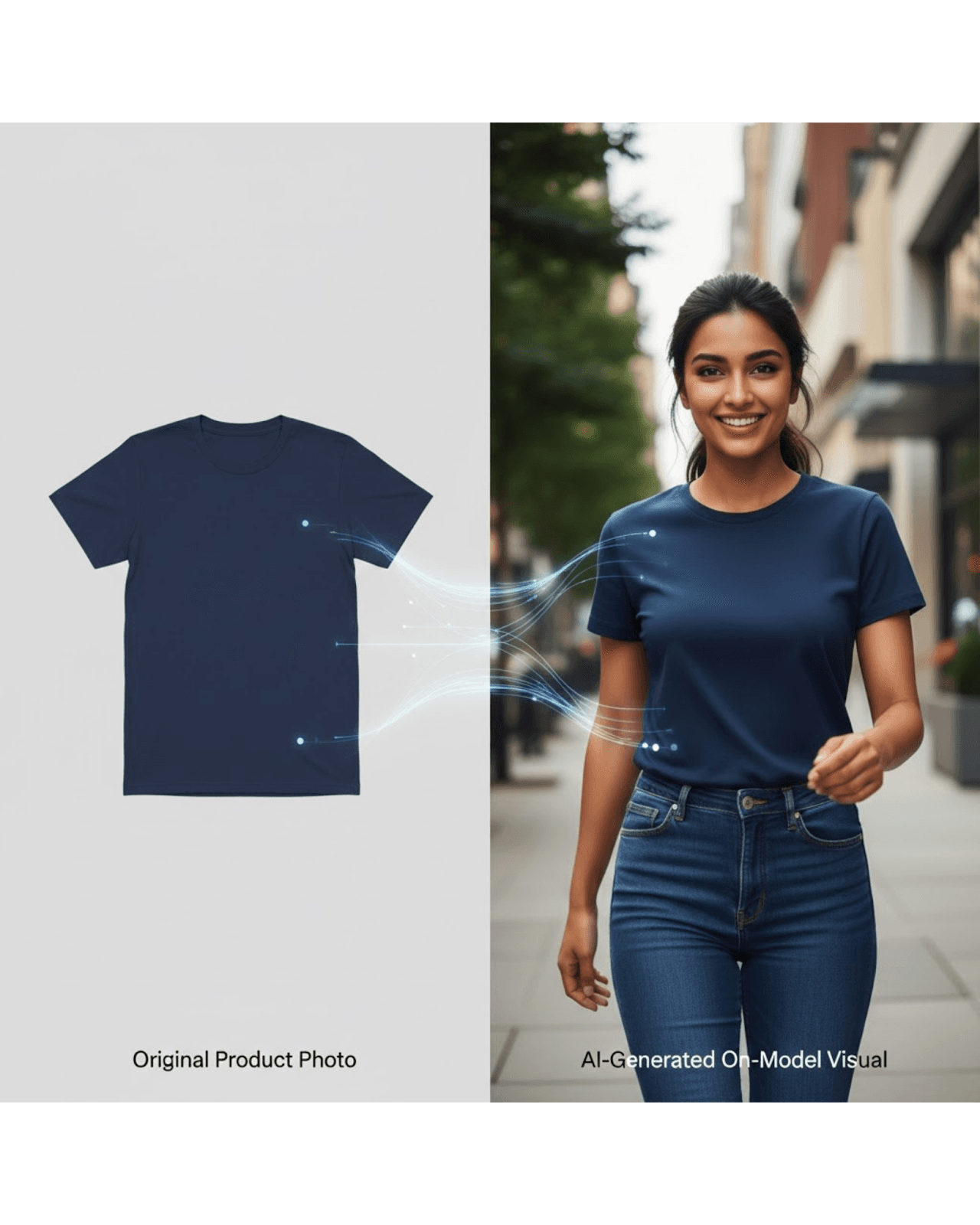
AI-based ecommerce photography allows sellers to transform simple product images into realistic on-model visuals. Using advanced algorithms, these tools preserve important details like fabric texture, color accuracy, and fit, while placing garments on digital models in lifelike poses and settings.
This approach gives brands creative control over styling, backgrounds, and presentation without the logistical constraints of traditional photoshoots. By maintaining realism and consistency across listings, AI-assisted imagery helps sellers scale visuals quickly, test new concepts, and keep catalogs fresh, all while reducing costs and turnaround time.
It’s not a replacement for thoughtful photography, but a practical solution for modern ecommerce teams looking to balance quality, efficiency, and flexibility.
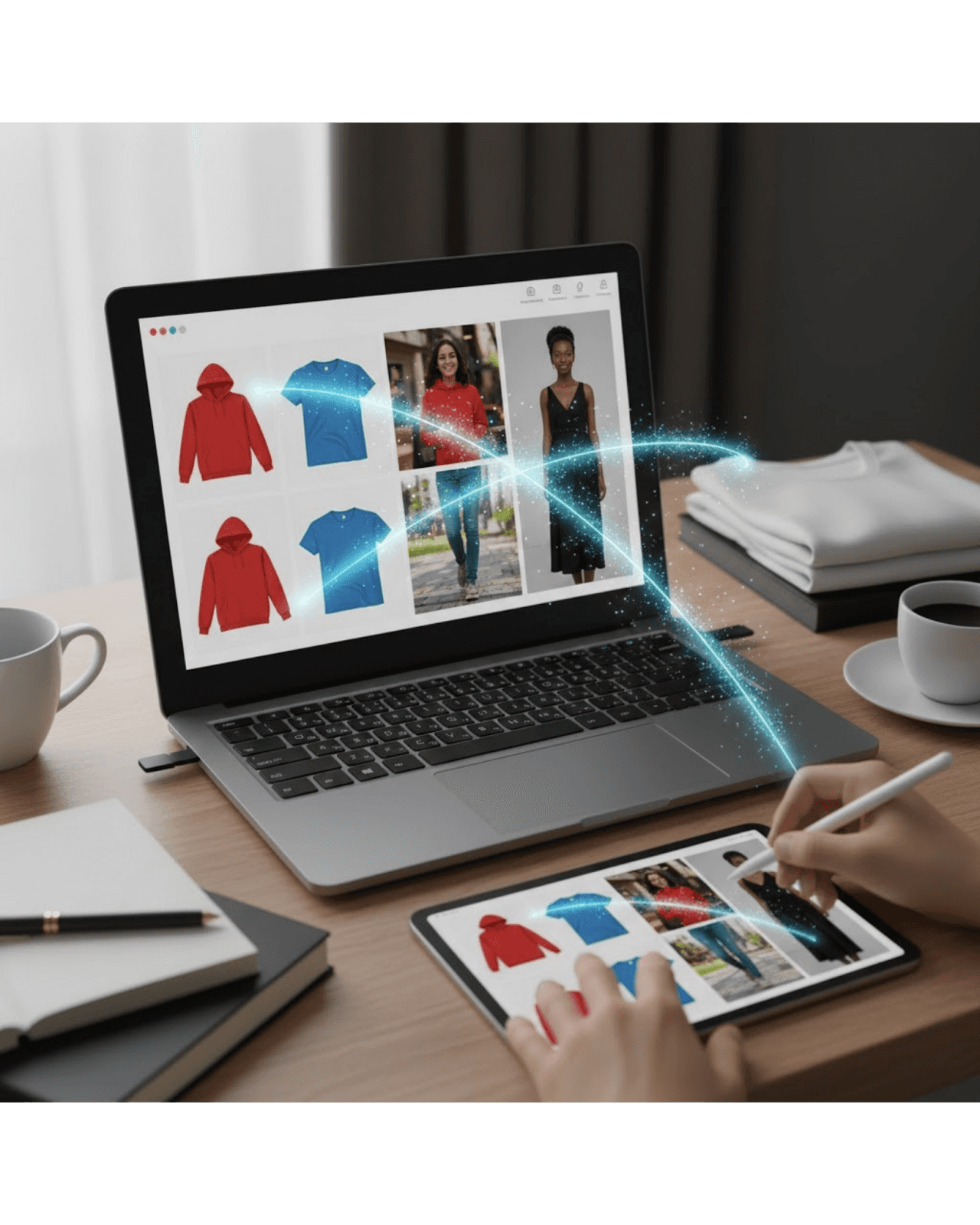
11. Example of a Scalable Ecommerce Photography Tool
For brands looking to scale clothing visuals without constant photoshoots, tools like Look Atlas offer a practical solution. This platform can take flat product images and transform them into realistic on-model photos, maintaining accurate fabric details, fit, and proportions.
Look Atlas is not meant to replace professional photography entirely, but it provides a faster, more consistent way to generate multiple product visuals across colors, sizes, and collections. By integrating such tools into their workflow, ecommerce teams can maintain high-quality imagery at scale, reduce turnaround time, and support frequent launches, all while keeping listings visually cohesive and conversion-focused.

12. When a Hybrid Approach Works Best (Local + AI)
Many growing ecommerce brands find the best results come from a hybrid approach, combining traditional local photoshoots with AI-generated visuals. A single high-quality local shoot can provide base images of products, which AI tools can then repurpose into on-model or lifestyle shots.
This method offers several advantages:
Speed: Quickly generate multiple visuals without scheduling new shoots.
Cost-efficiency: Reduce reliance on repeated studio sessions and model bookings.
Consistency: Maintain uniform lighting, styling, and presentation across large catalogs.
By blending the authenticity of local photography with the scalability of AI, brands can deliver professional, cohesive product imagery while keeping production flexible and efficient.

13. How Buyers Perceive Product Images (And Why It Matters)
Product images are often the first point of contact between a buyer and your brand, and they heavily influence perception. Shoppers subconsciously assess trust, quality, and authenticity based on visuals before reading descriptions or reviews.
Clear, realistic images act as trust signals, showing that the product matches its online representation and that the brand cares about quality. On-model and lifestyle visuals help buyers imagine themselves using the product, increasing emotional connection and confidence in the purchase.
When images are inconsistent, low-quality, or misleading, shoppers hesitate, abandon carts, or question the brand. Conversely, professional, accurate, and engaging visuals can improve conversion rates, reduce returns, and strengthen long-term customer trust.

14. SEO Reality: Why “Near Me” Searches Are Changing
Search behavior has evolved beyond simply finding someone nearby. When sellers type “ecommerce photography near me,” they’re increasingly focused on convenience, speed, and tangible results rather than geographic proximity.
Modern ecommerce tools, digital workflows, and AI-assisted solutions allow brands to get high-quality images quickly and consistently, regardless of location. As a result, “near me” searches are less about being local and more about finding services that deliver professional, scalable, and reliable outcomes for growing online businesses.
Understanding this shift helps sellers prioritize efficiency, quality, and scalability over physical closeness, aligning their search habits with what truly drives sales and conversions.

15. How to Choose the Right Ecommerce Photography Solution for Your Brand
Selecting the right photography approach requires balancing budget, scale, product type, and growth objectives. Start by assessing your needs:
Budget: Determine how much you can invest per product or per launch, factoring in both visible and hidden costs like models, studios, and revisions.
Scale: Consider the size of your catalog, seasonal launches, and product variants. Large catalogs may benefit from scalable or AI-assisted solutions.
Product Type: Apparel, accessories, or lifestyle items often require on-model or contextual images, while simpler products may do fine with clean studio shots. Advanced AI, like Look Atlas, can create realistic on-model visuals from basic product photos, offering a cost-effective alternative for apparel and fashion items.
Growth Goals: If you plan frequent launches or rapid expansion, prioritize workflows that maintain consistency, speed, and flexibility.
By evaluating these factors, brands can adopt a hybrid or fully digital photography strategy that ensures professional visuals, consistent branding, and a scalable approach that grows alongside the business.
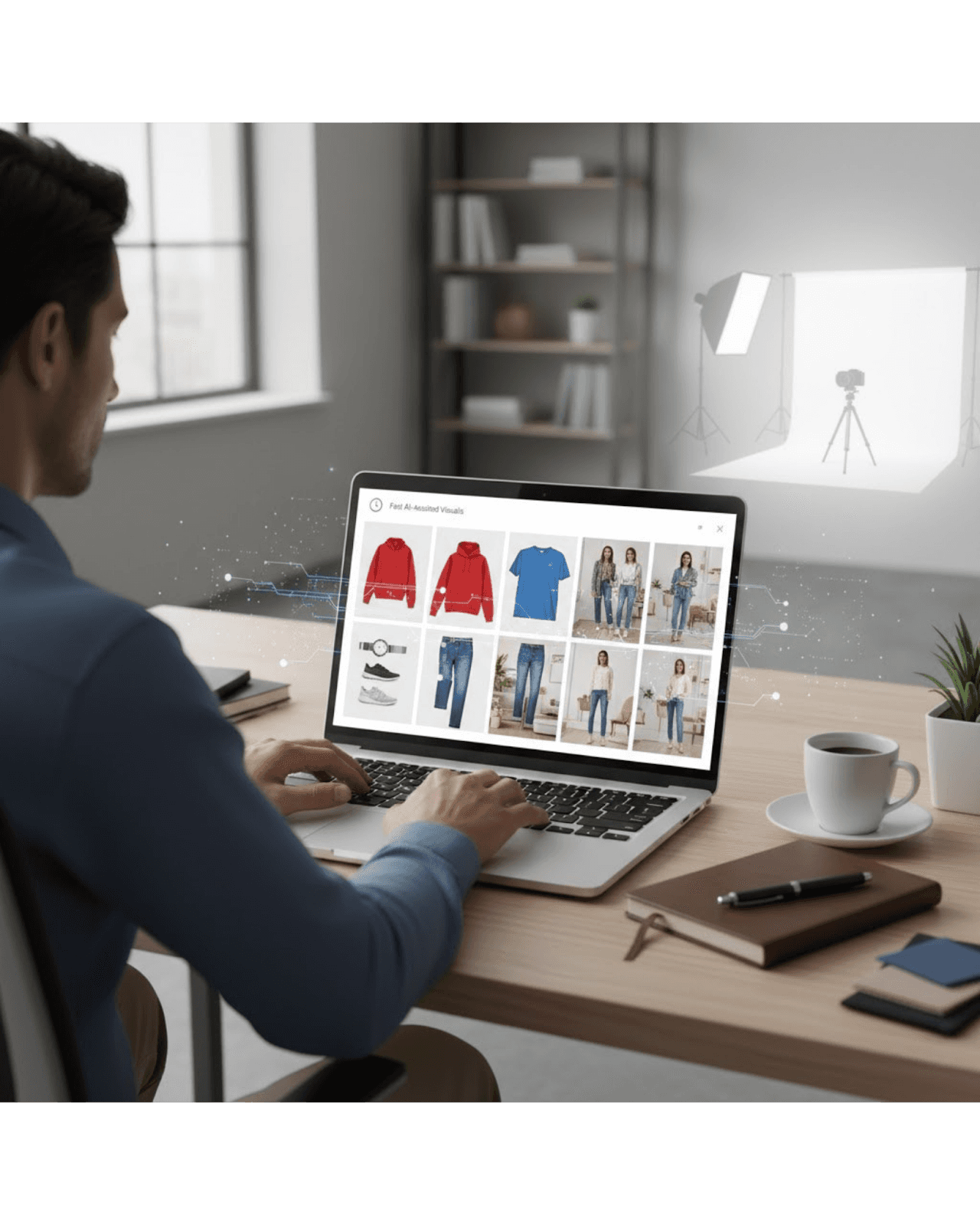
16. Final Takeaway: Rethinking “Ecommerce Photography Near Me”
Searching for “ecommerce photography near me” is a natural first step for sellers, but proximity alone doesn’t guarantee results. The best solution is one that delivers high-quality, consistent images, supports frequent launches, and drives conversions, regardless of location.
Modern ecommerce demands visuals that build trust, showcase products clearly, and help buyers imagine ownership. Whether through local shoots, AI-assisted imagery, or a hybrid approach, the key is scalability, efficiency, and reliability.
By focusing on outcomes over geography, brands can create professional, conversion-focused photography workflows that grow with their business and keep them competitive in a fast-moving online marketplace.
